





DIY Maintenance: How to Clean the Oil Collector Tray of an Auto Clean Chimney for the Kitchen

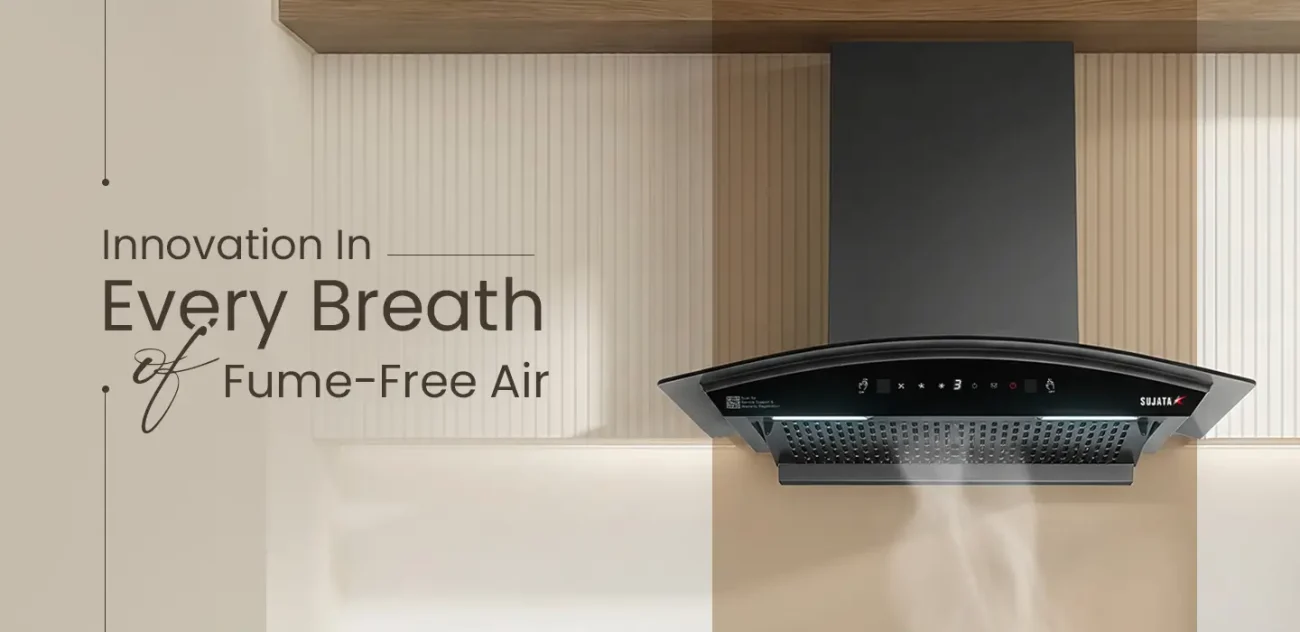
Operating between sputtering mustard seeds and deep-frying, our kitchens handle a serious amount of grease and heavy steam every single day. That is exactly why an auto clean chimney is a lifesaver. Instead of you scrubbing the insides, the chimney uses internal heat to melt trapped grease off the motor and fan, letting it drain away automatically. But all that gunk has to go somewhere: in the oil collector tray.
It catches the sticky sludge so your walls and cabinets stay clean. But because our cooking is oil-heavy, that little cup fills up fast. A quick clean every two weeks keeps the whole system running like new.
What You’ll Need?
Using basic, non-abrasive household kitchen items eliminates the need for harsh or expensive degreasing chemicals. No fancy cleaners required.
- Hot water (Safety First: Hot water can cause severe skin burns. Always use thick rubber cleaning gloves or tongs. Never use boiling water at 100 °C, as it can warp plastic parts).
- Regular dishwashing liquid (or baking soda + lemon) or Citrus-Based Degreasing Gel
- A soft sponge or cloth
- Paper towels to absorb heavy gunk without tearing like standard tissue paper.
- A dry microfiber towel
The 5-Step Cleaning Guide
Before you begin cleaning your auto clean chimney for kitchen, always switch off the chimney and pull the plug before touching any parts.
- Slide Out the Tray: Look right beneath the back or middle section of your chimney. Hold the tray level with both hands to prevent spills, then gently slide or unclip it from its slot.
- Wipe Out the Heavy Sludge: Use a folded piece of paper towel to wipe the thick, settled oil straight into your dry waste bin.
Tip: Do not pour this grease down the sink. It cools instantly within pipes and causes severe plumbing blockages. - Soak in Warm Soapy Water: Fill a small basin or sink with hot water and dish liquid (or 2 tablespoons of baking soda). Toss the tray in and let it soak for 10 to 15 minutes. The heat will loosen the sticky film without any hard scrubbing.
- Give It a Soft Wash: Use a soft sponge to wipe away the remaining residue. Avoid steel wool or abrasive green pads; they scratch plastic and acrylic, leaving tiny grooves where fresh grease will stick even worse next time.
- Dry and Reinstall: Wipe the tray completely dry with your microfiber towel, then slide or snap it back into place beneath the chimney hood.
Why You Can’t Ignore the Oil Tray of an Auto Clean Chimney?
An ignored, overflowing oil tray creates backpressure that severely reduces suction power and invites kitchen pests into your cooking space. The auto-clean feature, like in our House of Sujata chimney, handles 90%-95% of the hard work, but a full tray will bottleneck the system. Here is why you need to keep an eye on it:
- Clears the Air: A blocked drain line creates backpressure. Emptying the tray ensures maximum suction when you fry.
- Prevents Ugly Drips: If the tray overflows, motor vibrations will shake dark, sticky oil droplets right back down onto your counter or pans.
Quick Hacks for Indian Kitchens: Trigger your chimney’s auto-clean feature every 10 to 15 days. Regular use ensures internal oil flows down into the tray bit by bit rather than hardening inside the housing.
To Sum Up
Auto-clean chimneys are built to handle the demands of authentic Indian cuisine. Taking a few minutes once or twice a month to clear the oil tray keeps your appliance running smoothly.
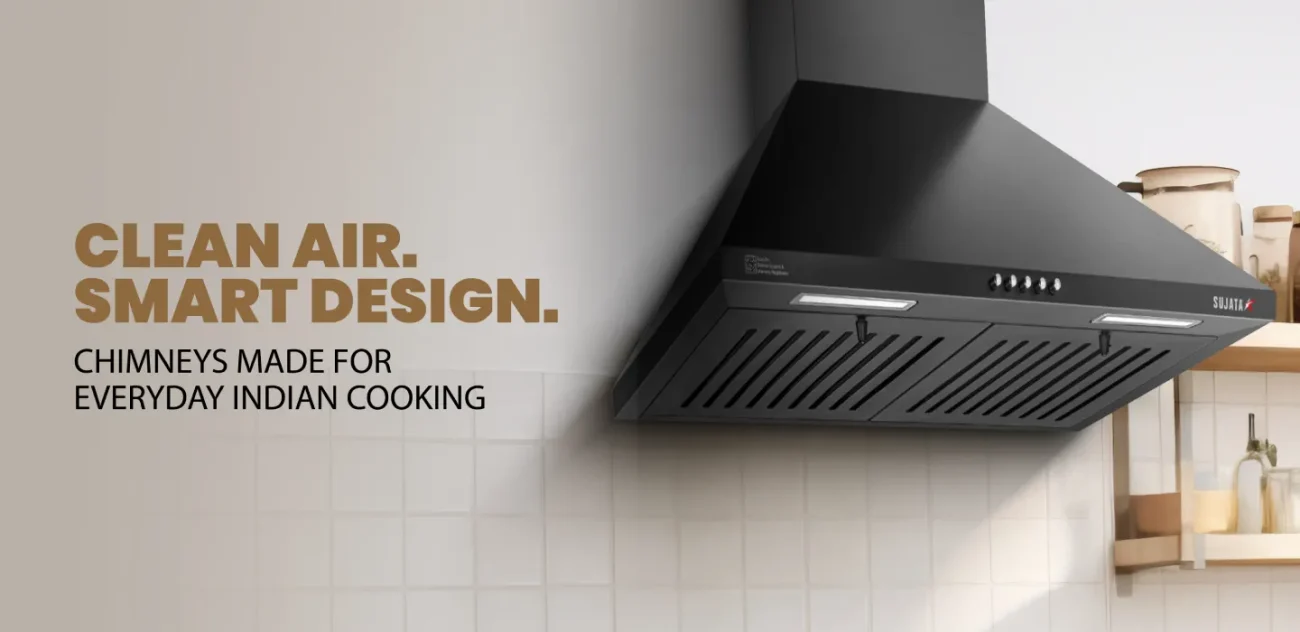
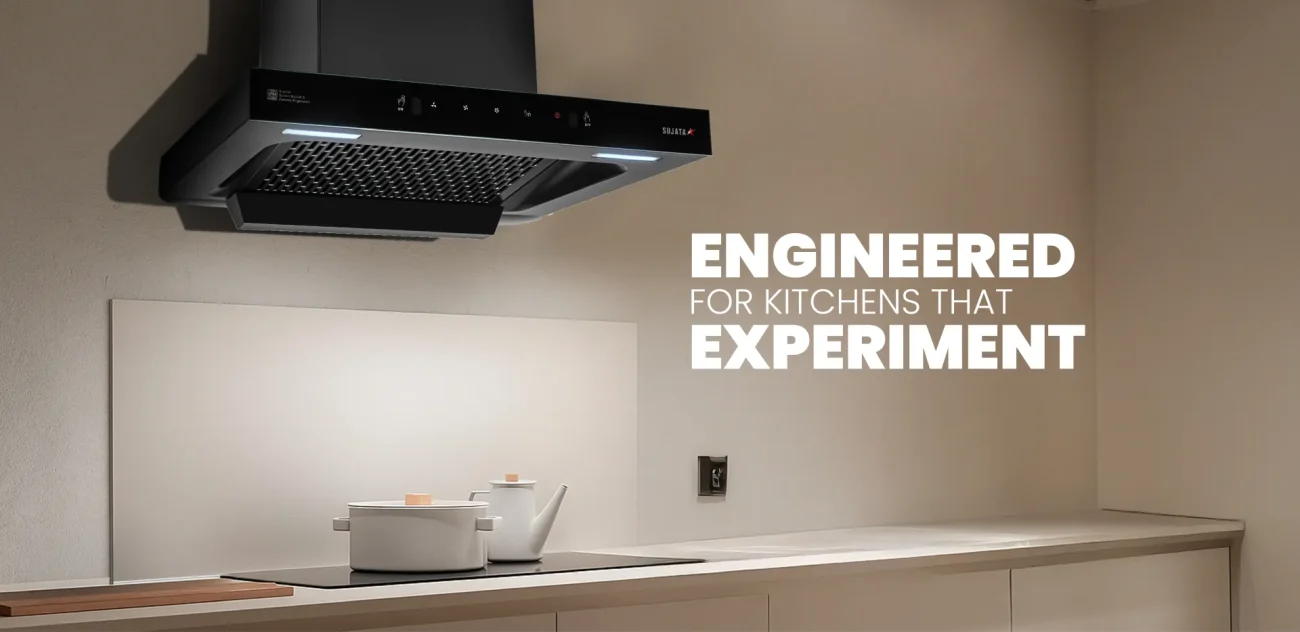
Looking to equip your kitchen with reliable, high-suction appliances? Explore House of Sujata for auto-clean kitchen chimneys engineered specifically to handle everyday Indian cooking with ease.
FAQs
1. How often should I really clean the tray?
Well, it all depends on your cooking style. If your kitchen sees tons of tempering and frying every day, it is advisable to clean it every 2-3 weeks. If you only prepare light food, once a month will be sufficient.
2.Can I just pour the old oil down the kitchen sink?
Not at all. Though it may seem easy and quick, this oil can solidify and clog your pipes. The better way is to wipe the tray yourself first.
3. My oil has become solid. How can I clean the tray now?
All you have to do is let it soak in hot water with some tablespoons of baking soda and dish soap for about 20 minutes. The combination of these ingredients will break down the grease, making it easier to remove.
4. My oil collector tray is empty even after cooking. Why?
Start by checking whether you have been using the auto-clean function frequently, as that heat is required to melt the grease, which can drip. If it’s still dry, the tiny drainage hole needs cleaning to prevent a possible clog.
5. Is it safe to put the tray into the dishwasher?
Whether or not to do this would depend on the material. Stainless steel trays, like those in the House of Sujata chimney, can safely go on the top rack of the dishwasher, but thinner plastic ones may warp from excessive heat exposure. It’s always better to wash them with warm, soapy water for a minute or two.